In the week of July 21, 2025, I had the pleasure of teaching 17 students of the Alstergymnasium in Henstedt-Ulzburg (Schleswig-Holstein) the basics of programming in Python for 4 days.
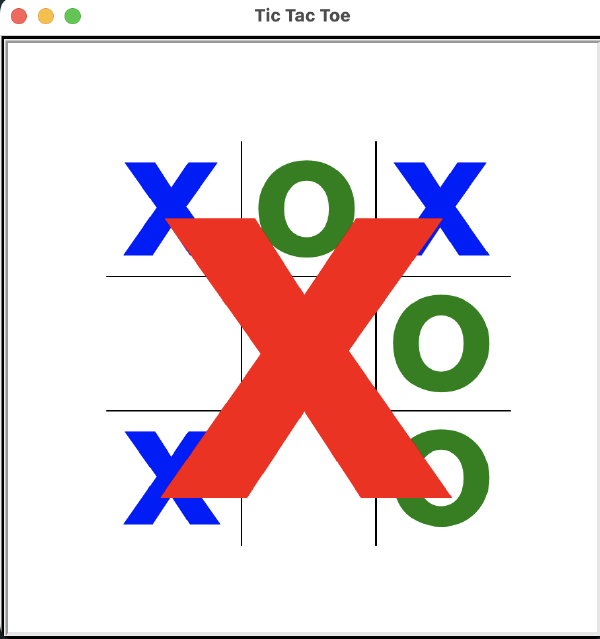
Ever since the movie “Wargames,” it’s clear: an AI doesn’t like to lose. And even a draw can be just as frustrating.
Still, a game of Tic Tac Toe can be a lot of fun – here is a version in Python, implemented using Turtle.
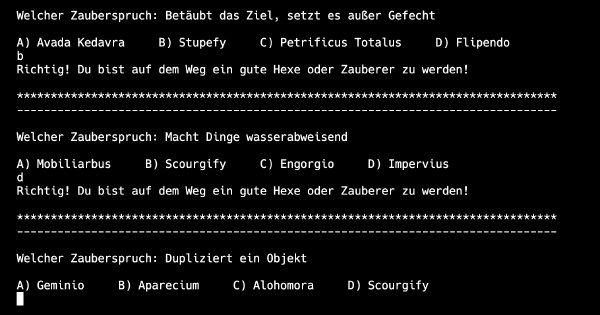
With the “Harry Potter Quiz” you not only test your knowledge about the legendary wizard, you also become proficient in handling Python tuples (arrays). Even when they are multidimensional.
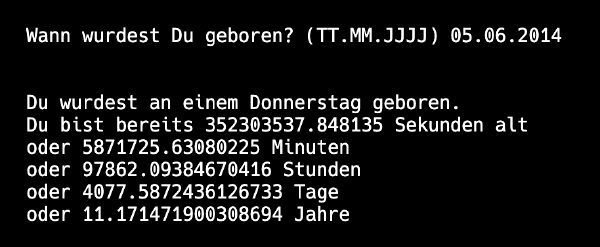
Basically one of the classics, whether it’s a programmable calculator, 8-bit home computer, or as shown here with Python; you have to implement this on every platform at least once.
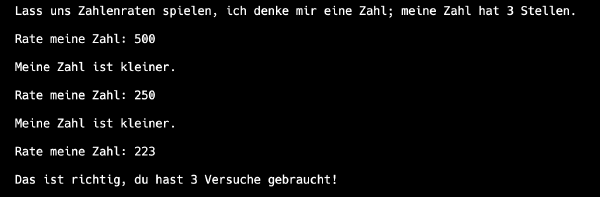
Perfect for first attempts with conditionals (if-statements).
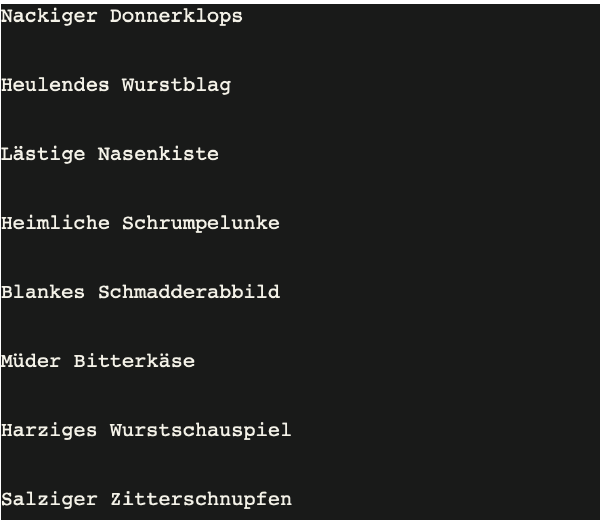
The “Schimpfolino” doesn’t just provide laughter. It also demonstrates working with lists (variables) and their random concatenation (using f-strings).
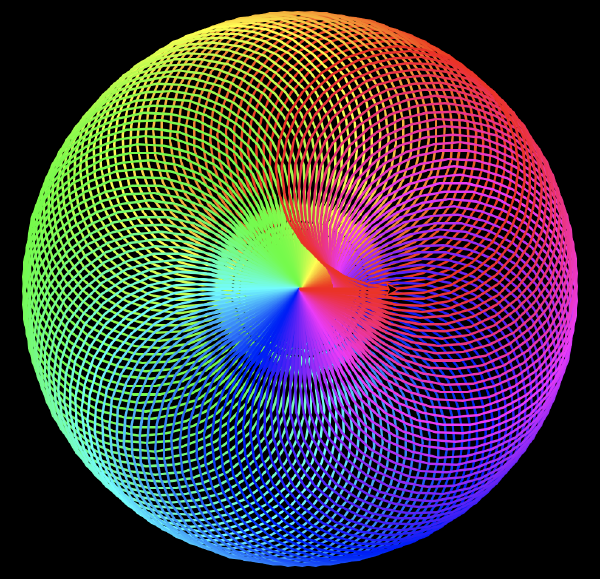
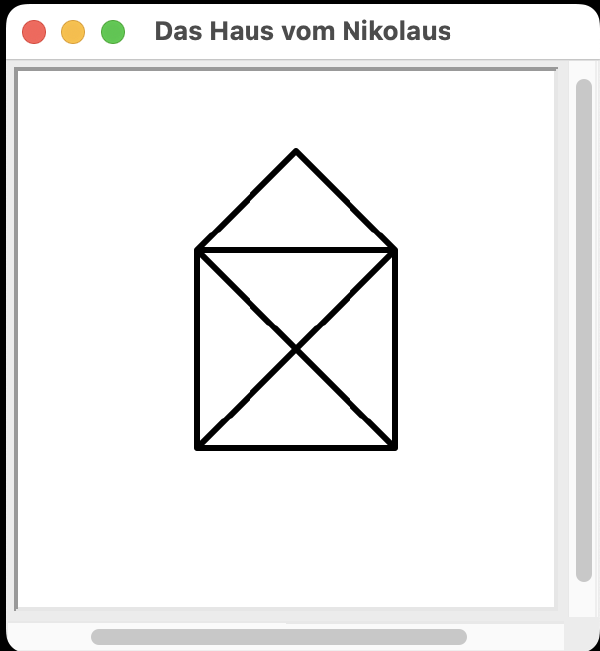
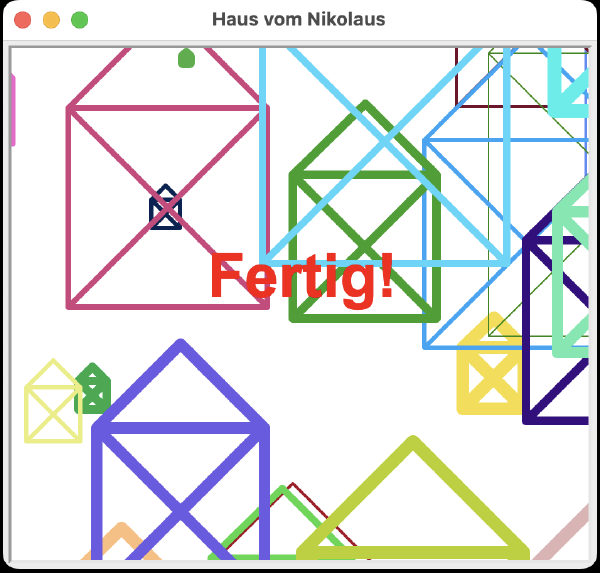
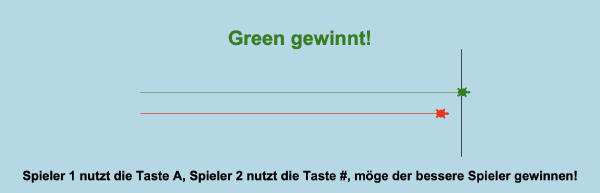
The turtle (from the Tkinter library) allows you to create simple to complex graphics on screen using Python. It is controlled with understandable commands like forward, left, right, etc. Older programmers already know it from Logo (1967), COMAL (1973), etc. - younger programmers know something similar from Scratch (2007) with the so-called “pen”.
🧠 Here’s a complete cheat sheet on comments, documentation, and code style in Python – ideal for beginners, students, and advanced users. It shows how to use comments correctly, how to document code, and how to write readable, clean Python code.
🐍 The naming conventions in Python are defined in the official PEP 8 Style Guide. They ensure uniform, readable, and maintainable code. Here’s a comprehensive overview:
🧠 Python has a variety of built-in functions (so-called built-in functions) and standard methods that you can use directly without importing anything. They are the toolkit for every Python beginner – and perfect for your students!
📦 Python has many useful functions and methods that you can access by importing modules. These extend Python’s basic functionality and are especially helpful for mathematics, randomness, time, files, system access and more.
🧠 In Python, there’s a fixed list of keywords that cannot be used as identifiers (i.e., names for variables, functions, classes, etc.). They are reserved because they have a special meaning in the language core.
🐢 Here’s a complete Turtle cheat sheet suitable for both beginners and advanced users – regardless of age. It covers everything: from basic functions through colors, shapes and loops to events, coordinates, animations and complex drawings.